
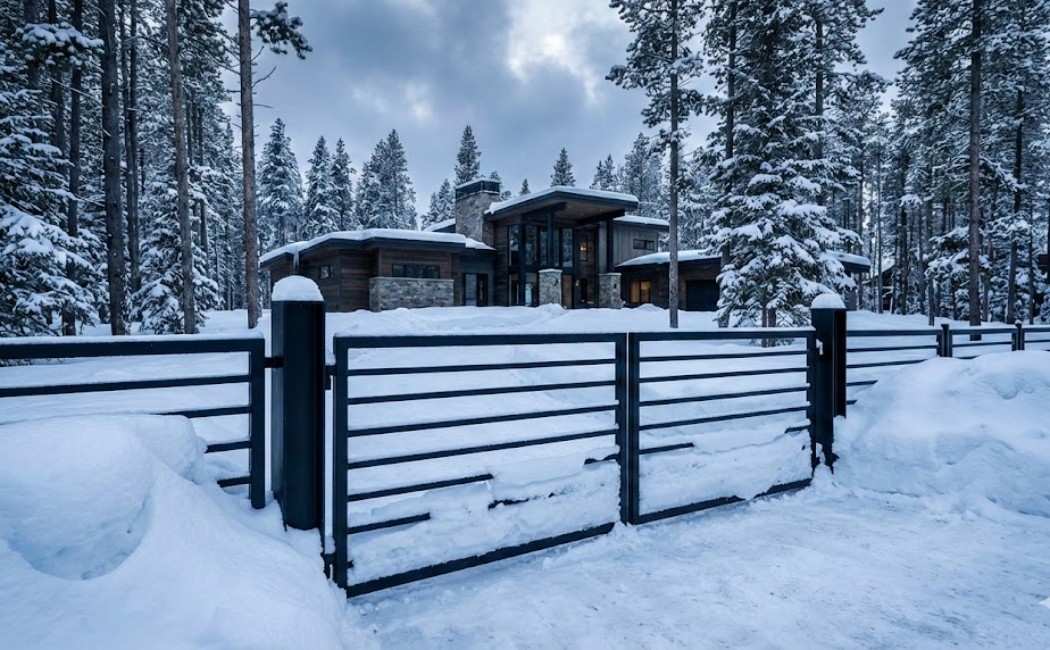
Winter is beautiful; you already know what I mean if you live in a cold place, like Montana. It is all peaceful with a heavy white cover of snow. But as beautiful as snowfall appears, it can silently be very destructive to your property, particularly your fence.
Most homeowners are unaware that a lot of snow can bend, crack, or even collapse a well-constructed fence. This is why it is not only a question of design but also a long-term investment. choosing strong, weather-resistant materials. It will be beneficial to work with SCMG construction company in MT to provide homeowners with the appropriate fencing solution based on climate, soil, and structural requirements.
This guide will discuss snow and its impact on fences, as well as the best materials to use during extreme winter conditions.
How Snow Loads Affect Fences
Packed Snow and Ice Pressure on the Weight
Fresh snow can be light and fluffy, but as it accumulates, it becomes heavy. When snow layers condense and form heavy piles of ice, the pressure exerted on fence panels increases exponentially.
This sustained pressure may, over time, lead to bowing of panels, leaning of posts, and, worst still, the collapse of parts of the building. Snow loads on fences not designed to withstand the weight cannot be supported.
Freeze-Thaw Cycles and Moisture Damage
Freeze-thaw cycles usually occur in cold regions. During the day, the snow is melting slightly. During the nights, the temperatures fall once again, and the water freezes. This cyclic stretching and shrinking may ruin the fence material internally.
Snow by the Wind Adding Additional Stress
Vertical weight is not the only thing. Powerful winter winds blow the snow onto the fences, creating uneven pressure. This is particularly prevalent in open or rural territories.
Even strong materials can crack down without having appropriate structural support and framing. This is why, in heavy snow regions, good post setting and framing, which best framing services MT normally provides, is important.
Extreme Snow Fencing with Steel and Metal
In terms of strength, steel and heavy-duty metal fencing can be considered the best.
1. Power and Resistance to Piles of Heavy Snow
Steel fencing is made pressure-resistant. It does not splinter like wood or bend like the weaker materials. Metal with proper coating does not rust or corrode even in snowy, wet conditions. This is one of the best options for regions with very long winters and frequent storms.
2. Minimum Maintenance and Maximum Life
Low Maintenance is one of the critical benefits of metal fencing. It does not require frequent sealing or staining, unlike wood. It can be decades long with periodic inspection and cleaning.
3. Both residential and rural homes
Metal fences are effective in both domestic and large home properties. It works particularly well in high-wind areas with blowing snow.
Moisture and Freeze-Resisting Fencing Composite Fencing.
The latest product developed is composite fencing, a mixture of recycled wood fibres and plastic.
Swelling and Cracking Resistant to Rot
Composite does not absorb moisture as easily as traditional wood. This makes it very resistant to rot, swelling, and cracking during freeze-thaw cycles.
It does not lose its form or structure when subjected to snow and ice.
Pressure-Treated Wood Fencing: Natural and Maintenance Heavy.
Wood fencing is also very popular, particularly in traditional-style buildings in Montana.
Traditional Appeal in Montana Homes
Wood fences have a warm, natural look that blends well with the snowy landscape. Pressure-treated wood is also more resistant to insects and moisture.
Seasonal Maintenance is required
Wood continues to absorb moisture even after treatment. In snow conditions, it may crack, warp or rot without proper sealing or staining.
It needs regular maintenance to increase its lifespan.
Strength is based on the quality of construction
Wood fences can withstand heavy snow, but they must be built appropriately. Strong framing, deep-set posts and quality fasteners are a must. The construction will be poor, leading to leaning or structural failure.
Vinyl and Aluminum Fencing: Where to Install Them
Another type of fence is vinyl and aluminium, which are also very popular but work well only under certain conditions.
Appropriate in Mid Snowy Places
These materials are suitable for areas with moderate snowfall. But during severe snow conditions, unreinforced thin panelling can break or bend under excessive pressure.
Minimal Maintenance and Requires Intensive Support
Vinyl does not need to be painted, and aluminium does not rust. Nevertheless, they both require high structural support to withstand winter stress.
How to Choose the Right Fence to Use in Your Property
The choice of the appropriate fence is conditional on several factors:.
- Snowfall Levels: What is the amount of snowfall that your area receives per year? Heavy loads during snowfall require stronger materials, such as steel or reinforced concrete.
- Wind Exposure: Open spaces with high winds require deep foundations and reinforced posts.
- Soil Conditions: Sandy or moving soil requires deeper post installation.
- Budget and Additional Maintenance Preferences: Some materials are initially very costly, but save money in the long run due to lower maintenance costs.
- Installing Techniques Professionalism Matters: Whatever the material you are using, it all comes down to professional installations. When your fence is properly structurally planned, it withstands years of harsh winters.
This is why most homeowners have confidence in a trusted construction company in MT to provide well-built, long-lasting fencing systems designed for the specific Montana climate.
Conclusion Remarks
The problem with heavy snow loads is that they can cause serious damage to fences when the wrong materials or an improper installation method are used. The accumulation of ice, packed snow, freeze-thaw cycles and very powerful winds are all stressors on fencing structures.
Steel and metal fencing is the strongest type to use in extreme situations. Composite fencing is an ideal, stylish, moisture-resistant option. Pressure-treated wood is offered in classic beauty, but it requires constant maintenance. Vinyl and aluminium require reinforcement and are well-suited to moderate snowfall.