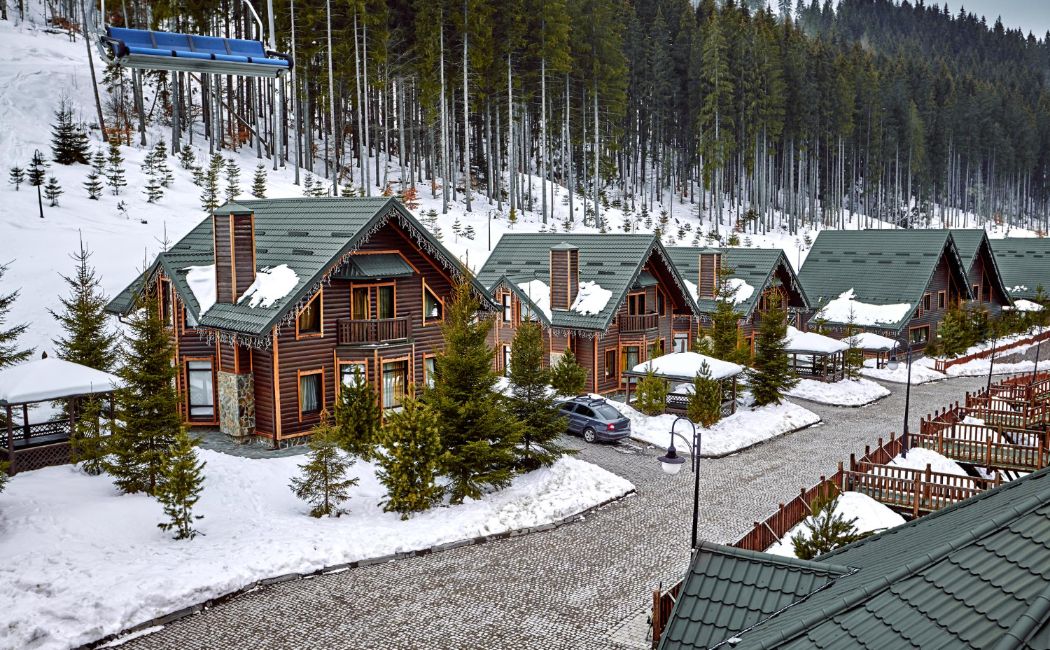
Montana winters are breathtakingly beautiful, with snow-covered mountains, crisp air, and starry skies that seem to stretch forever. But beneath that beauty lies a season that tests both endurance and preparation. Heavy snowfall, subzero temperatures, and long stretches of cold make living here a challenge; especially if your home isn’t designed to withstand it. That’s why careful planning matters. Designing a custom home for Montana winters isn’t just about comfort; it’s about safety, savings, and creating a haven that keeps your family warm year after year. From insulation and heating systems to durable materials and thoughtful floor plans, every choice makes a difference.
Understanding Montana’s Winter Challenges
Montana’s climate is as unforgiving as it is stunning, and homeowners quickly realize that winter here demands more than a standard build. With average snowfall reaching over 80 inches in some areas and temperatures regularly plunging below zero, homes face relentless pressure. Frozen pipes, heat loss, and sky-high utility bills are just a few of the headaches that come from poor design. Cookie-cutter homes, often built without local considerations, simply aren’t cut out for these conditions. To truly enjoy the magic of Montana winters, you need a custom-built home that anticipates challenges and transforms them into opportunities for comfort.
Heavy Snowfall and Freezing Temperatures
- Consistent snow accumulation can put immense pressure on roofs.
- Subzero temperatures increase the risk of frozen plumbing.
- Heating costs skyrocket if insulation is inadequate.
Common Homeowner Struggles
- Frozen pipes bursting and causing expensive water damage.
- Drafts making rooms unevenly warm.
- Energy inefficiency leading to higher bills.
Why One-Size-Fits-All Homes Fail
- Generic designs overlook Montana’s unique climate.
- Builders may use materials unsuitable for extreme winters.
- Lack of customization leaves homeowners vulnerable to seasonal stress.
Site Selection & Orientation
The foundation of a well-designed Montana home begins with the land itself. Site selection is about more than finding a scenic view; it’s about ensuring your property can withstand seasonal extremes. Poor drainage can lead to icy buildup, while homes oriented incorrectly miss out on natural sunlight and warmth. By thoughtfully selecting land and designing with orientation in mind, you can work with Montana’s environment instead of against it. South-facing windows, natural windbreaks, and smart positioning all help maximize comfort and minimize energy costs throughout the long winter months.
Land with Proper Drainage
- Prevents dangerous ice buildup around the foundation.
- Reduces risk of water damage during snowmelt.
- Keeps walkways and entryways safer.
Maximizing Sunlight Exposure
- South-facing windows capture natural warmth.
- Passive solar heating reduces energy usage.
- Bright, sunny interiors improve winter moods.
Natural Windbreaks for Protection
- Trees or hills block harsh winter winds.
- Reduced heat loss from constant exposure.
- Enhanced outdoor comfort even in colder months.
Insulation & Energy Efficiency
When it comes to surviving Montana winters, insulation is non-negotiable. Proper insulation not only keeps your family warm but also reduces strain on heating systems and lowers monthly energy bills. The right R-value makes a huge difference in heat retention, and choosing between spray foam, fiberglass, or rigid board depends on your budget and performance needs. Energy-efficient windows and doors, combined with careful air sealing, keep drafts at bay and ensure every room feels consistently comfortable. In a place where winters dominate half the year, energy efficiency is an investment that pays off in every season.
Choosing the Right R-Value
- Higher R-values provide better heat retention.
- Roof and wall insulation should exceed standard codes.
- Montana’s climate demands above-average insulation.
Comparing Insulation Materials
- Spray foam: excellent seal but higher cost.
- Fiberglass: affordable and reliable.
- Rigid board: durable for extreme cold.
Energy-Efficient Windows & Doors
- Double- or triple-pane glass reduces heat loss.
- Low-E coatings block cold air transfer.
- Weatherstripping ensures tight seals.
Heating Systems & Smart Technology
In Montana, heating isn’t a luxury; it’s a necessity. A well-designed heating system ensures that every corner of the home remains warm, even on the coldest days. Radiant floor heating is a favorite in cold climates, providing consistent warmth where you need it most. Alternative systems like pellet stoves, geothermal, and ductless mini splits can supplement or replace traditional furnaces for added efficiency. Pair these systems with smart thermostats and zoning technology, and you’ll gain complete control of comfort while reducing unnecessary energy waste. The right combination makes your home efficient, cozy, and future ready.
Radiant Floor Heating
- Even heat distribution across living spaces.
- Warm floors make winters more comfortable.
- Highly efficient for long cold seasons.
Alternative Heating Options
- Pellet stoves offer sustainable warmth.
- Geothermal systems reduce long-term costs.
- Mini-splits provide efficient room-specific heating.
Smart Thermostats & Zoning
- Automated schedules save money.
- Different temperatures in different zones.
- Remote control through smartphone apps.
Roofing & Snow Management
Your roof plays a critical role in keeping your family safe and warm during Montana winters. Heavy snow, ice dams, and freezing rain can quickly compromise a poorly designed roof. Steep roof pitches help snow slide off naturally, while durable materials like metal offer unmatched resilience. Adding snow guards, heated gutters, and wide overhangs further improves safety and reduces maintenance stress. By designing with snow management in mind, you not only protect your investment but also ensure peace of mind through long winters filled with storms and heavy accumulation.
Steep Roof Pitches
- Prevent snow accumulation.
- Reduce risk of collapse from weight.
- Encourage natural snow shedding.
Durable Roofing Materials
- Metal roofing withstands heavy snow loads.
- Shingles can be cost-effective but less durable.
- Longevity is key in Montana’s climate.
Snow Guards & Heated Gutters
- Prevent ice dams from forming.
- Protect walkways from falling snow.
- Maintain proper drainage during thaws.
Floor Plan & Entryway Design
Montana living requires homes that are practical as well as beautiful. Winter brings snow, mud, and wet gear, making entryways and layouts vital to a home’s functionality. Mudrooms act as the first line of defense against mess, while durable flooring choices withstand water and salt without damage. Open floor plans help heat circulate more efficiently, ensuring no room feels left behind. With large windows that brighten interiors yet minimize heat loss, your design can balance warmth, light, and practicality all winter long. These choices make daily life smoother while keeping your home inviting.
Mudrooms for Winter Gear
- Essential storage for boots, coats, and snow gear.
- Keeps main living areas clean.
- Adds value for family-friendly homes.
Durable Winter Flooring
- Tile and vinyl withstand moisture and salt.
- Sealed wood adds warmth without damage.
- Easy-to-clean surfaces make life simpler.
Heat-Friendly Open Layouts
- Encourages even air distribution.
- Prevents cold pockets in large homes.
- Works well with radiant floor systems.
Materials & Finishes for Winter Durability
Montana winters demand materials that go beyond aesthetics. Every choice, from siding to doors, needs to withstand moisture, wind, and cold. Fiber cement, stone, and treated wood offer excellent durability, while weather-resistant exterior doors help block drafts and conserve energy. Inside, fireplaces provide both ambiance and backup heat during storms, creating a cozy atmosphere on dark, snowy nights. By selecting finishes and materials with winter resilience in mind, you ensure that your home stays functional and beautiful, even when nature puts it to the test.
Weather-Resistant Siding
- Fiber cement holds up against moisture.
- Stone adds timeless durability.
- Treated wood combines strength and style.
Strong Exterior Doors
- Insulated doors block drafts.
- Steel or fiberglass options are long-lasting.
- Stylish finishes still maintain curb appeal.
Functional Fireplaces
- Provide warmth during outages.
- Add cozy ambiance in living spaces.
- Serve as backup heating options.
Backup & Safety Considerations:
Winters in Montana are unpredictable, and safety should always be a top priority. Power outages, icy walkways, and snowstorms can leave families vulnerable without the right systems in place. Backup generators ensure warmth and security during outages, while heated walkways prevent dangerous slips and falls. Reinforced structures like storm windows and heavy-duty roofs add another layer of protection. By incorporating these features into your design, you’re not just preparing for convenience; you’re ensuring your family’s safety, security, and peace of mind in the harshest conditions.
Backup Generators
- Keep essentials powered during outages.
- Protect frozen foods and medical devices.
- Provide warmth when the grid is down.
Heated Walkways & Driveways
- Reduce risk of slips and falls.
- Prevent ice accumulation near entryways.
- Add convenience for snowy mornings.
Reinforced Structures
- Roofs built for heavy snow loads.
- Storm windows protect against winds.
- Structural reinforcements ensure longevity.
Final Thoughts
Designing a custom home for Montana winters is about creating more than a shelter, it’s about building a sanctuary that feels safe, warm, and inviting no matter how fierce the storm outside. With the right planning, homeowners can enjoy reduced energy bills, improved comfort, and peace of mind that lasts for decades. From site orientation and insulation to heating systems and durable materials, every choice matters when designing for this unique climate.
At SCMG Custom Construction, we specialize in creating homes tailored to Montana’s toughest winters. Our team understands the challenges of heavy snow, biting cold, and unpredictable storms and we know how to design homes that stand strong while staying beautiful. If you’re ready to build a home that embraces the Montana spirit while protecting your family year after year, we’d love to help.